Science for Sports
The 23rd Annual Schools Science Conference was held on 22nd April 2026 at University of Westminster
Or scroll down to find out more

Welcome to
Science for Sports
The theme of the 23rd Schools Science Conference is Science for Sports
The theme is about unlocking human potential. With major sporting events such as the Winter Olympics, Commonwealth Games, and the World Cup taking place in 2026, there has never been a better time to explore the science behind athletic performance.
You will discover how the body’s systems — muscular, skeletal, respiratory, cardiovascular, and neurological — work together to produce strength, speed, endurance, and skill. But this science is not just for elite athletes. The same principles help people recover from injury, manage long-term conditions, stay active, and improve everyday health. From sports psychology and nutrition to physiotherapy, biomechanics, and cutting-edge medical technology, healthcare science plays a vital role both on and off the field.
- Sports Medicine enables early diagnosis and targeted treatment of injuries, reducing downtime and helping athletes maintain consistent training and competition performance.
- Physiotherapy improves joint mobility, muscle strength, and recovery efficiency, allowing athletes to return to peak performance faster and reduce risk of recurring injuries.
- Biomechanics analyses technique and body movement patterns, helping athletes refine skills, reduce inefficiencies, and improve speed, power, and performance.
- Sports Nutrition designs personalised diets that optimise energy availability, muscle repair, and endurance, to ensure athletes consistently perform at their highest capacity.
- Hydration monitoring ensures fluid and electrolyte balance, preventing fatigue, cramps, and cognitive decline, supporting sustained performance in prolonged or intense activity.
- Exercise Physiology evaluates cardiovascular and muscular responses to training, enabling tailored programs that maximise endurance, strength, and recovery for peak athletic output.
- Cryotherapy reduces inflammation and muscle soreness after activity, accelerating recovery and allowing athletes to train more frequently at high intensities without excessive fatigue.
- Sports Psychology develops mental resilience, focus, and confidence, helping athletes manage pressure, maintain concentration, and perform consistently.
- Injury Prevention programs identify biomechanical imbalances and weaknesses, strengthening vulnerable areas to reduce injury likelihood.
- Wearable Technology collects real-time data on movement, heart rate, and workload, enabling coaches and athletes to make precise adjustments to optimise training outcomes.
- Sleep Science enhances sleep quality and duration, improving recovery, cognitive function, reaction time, and overall physical readiness for elite performance.
- Strength and Conditioning develops muscular power, endurance, and stability, enabling athletes to perform explosive movements efficiently while minimising injury risk.
- Cardiovascular Monitoring ensures optimal heart function and training intensity, helping athletes safely push endurance limits while maintaining long-term health.
- Data Analytics evaluates training and competition metrics, identifying patterns and opportunities for improvement in tactics, efficiency, and overall athletic output.
- Rehabilitation Science guides structured recovery programs, ensuring safe progression back to full performance levels after injury without compromising long-term health.
- Altitude Training enhances oxygen efficiency and red blood cell production, improving endurance and stamina when competing at sea level or high altitudes.
- Hormonal Analysis tracks hormone levels affecting recovery, stress, and muscle growth, enabling adjustments to training and lifestyle for optimal physiological performance.
- Reaction Time training improves neural processing speed, allowing athletes to respond faster to stimuli, crucial in competitive and high-speed sports scenarios.
- Flexibility Training increases joint mobility and muscle elasticity, improving technique execution and reducing risk of strains and musculoskeletal injuries.
- Immune System monitoring helps prevent illness during intense training periods, ensuring athletes remain healthy and able to maintain consistent performance schedules.
- Genetic Testing identifies predispositions for endurance, strength, or injury risk, enabling highly personalised training and recovery strategies for elite athletes.
- Pain Management techniques allow athletes to manage discomfort safely, maintaining training intensity while preventing chronic injury or long-term damage.
- Video Analysis provides detailed visual feedback on technique and tactics, enabling precise corrections and performance improvements in training and competition.
- Load Management tracks workload and recovery, preventing overtraining and burnout while maintaining optimal performance levels throughout a season.
Overview in video
A glimpse of the fun, enjoyment and rich array of activities at Science for Sports

Science for Experimentation
Witness riveting presentations and we unveil which school clinched the coveted trophy

Photographs
Explore captivating snapshots captured during this year’s Conference

Quiz
Challenge yourself and put your newfound science and healthcare knowledge to the test
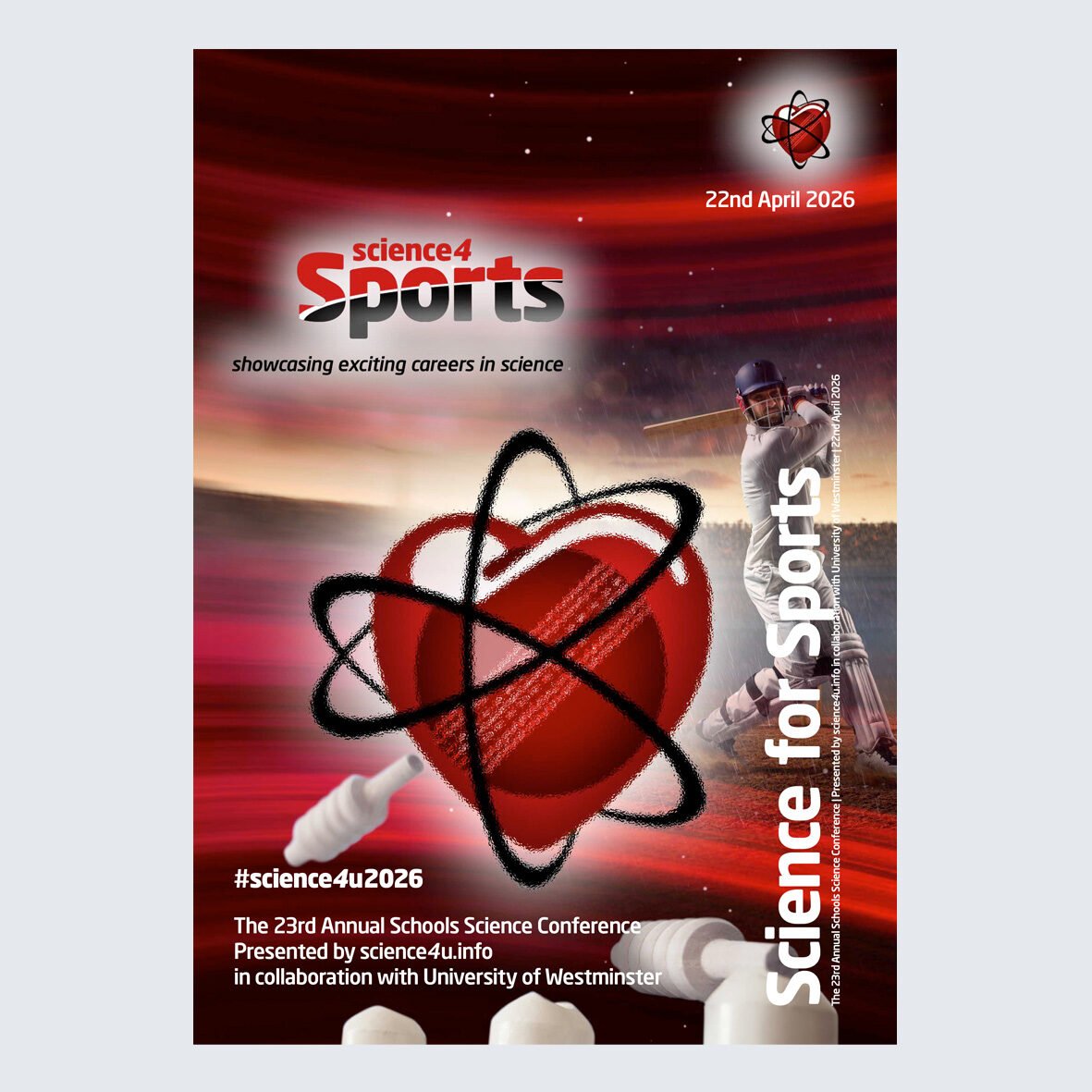
Programme
Discover more about the sessions and view a digital version of the programme

Evaluation
Delve into the reception and gauge the resounding acclaim achieved by the Conference

Acknowledgements
A heartfelt thank you to all the contributors who have brought this event to life

Organising Group
Meet the visionary minds steering Science for Sports: the Committee members
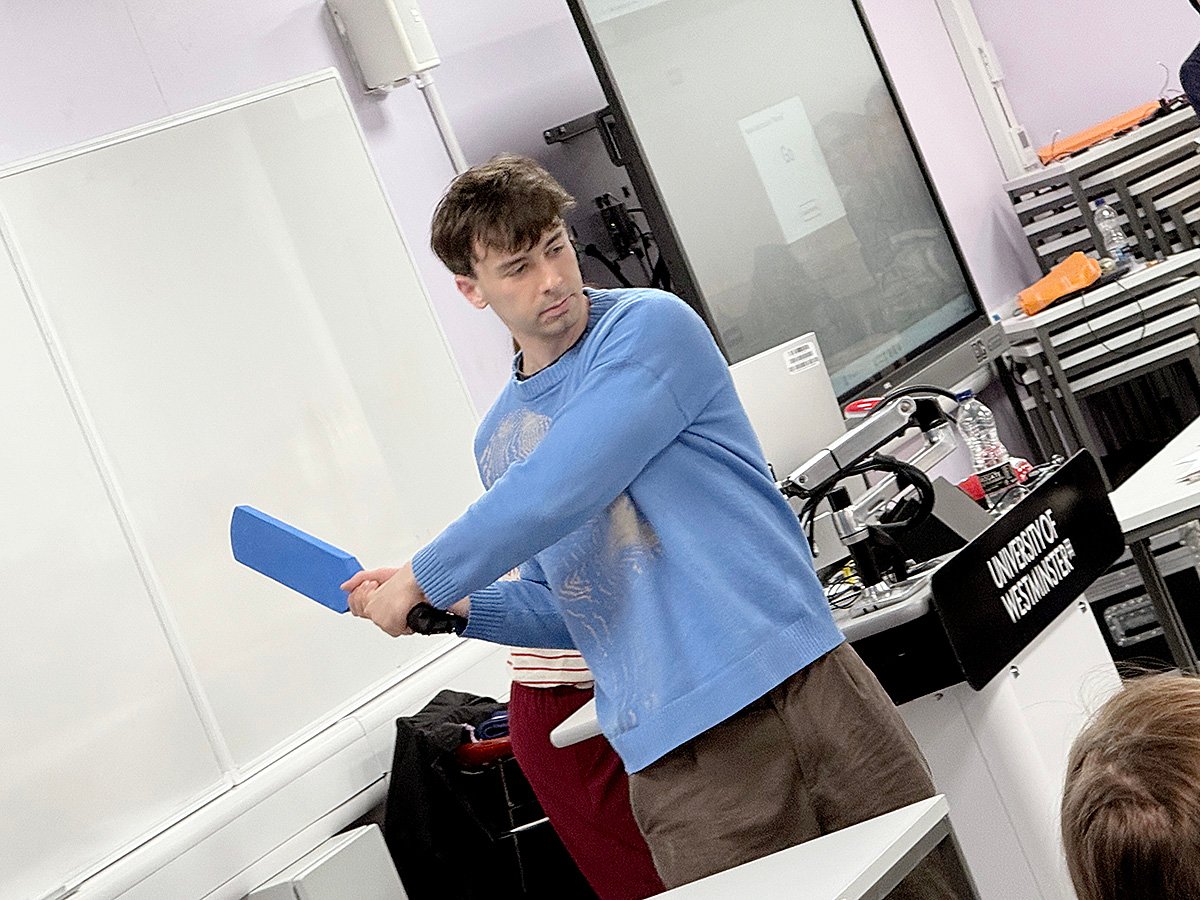
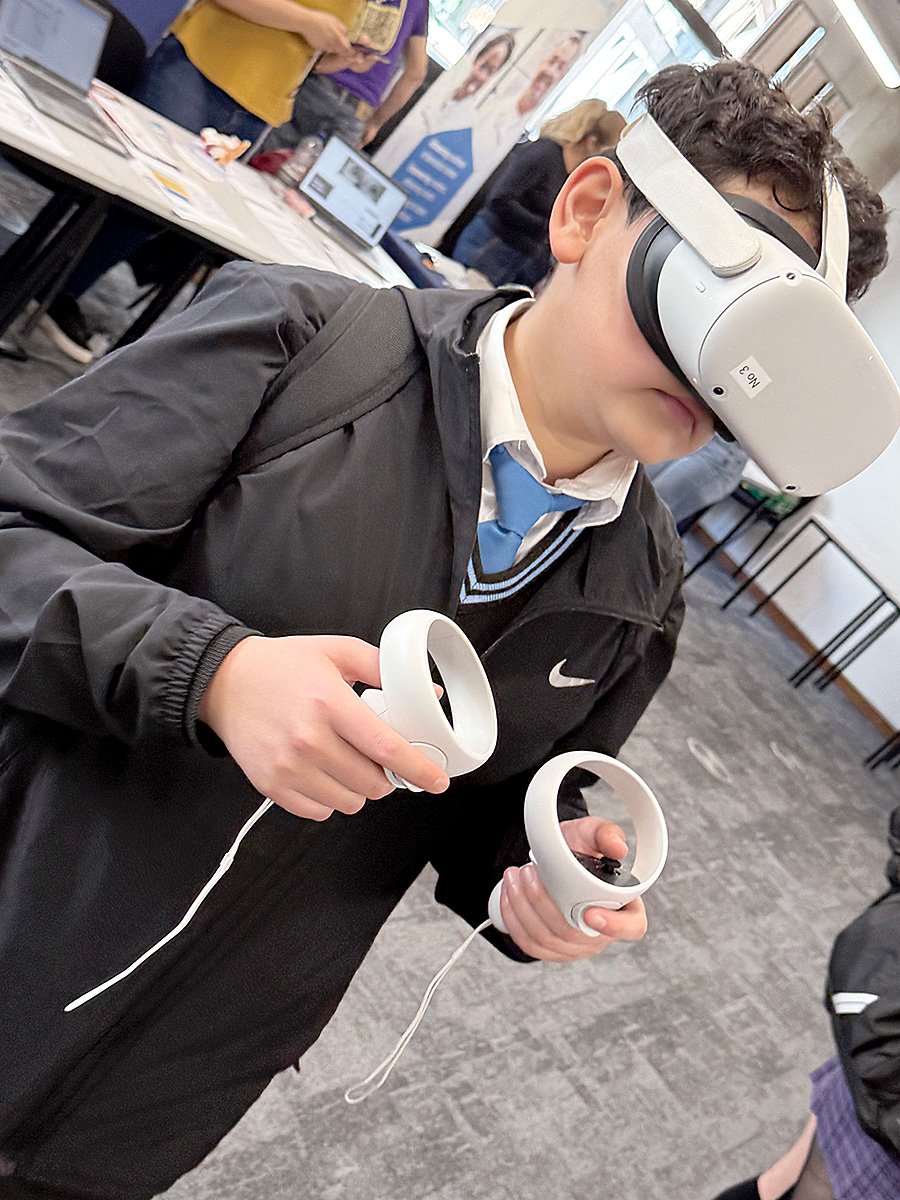
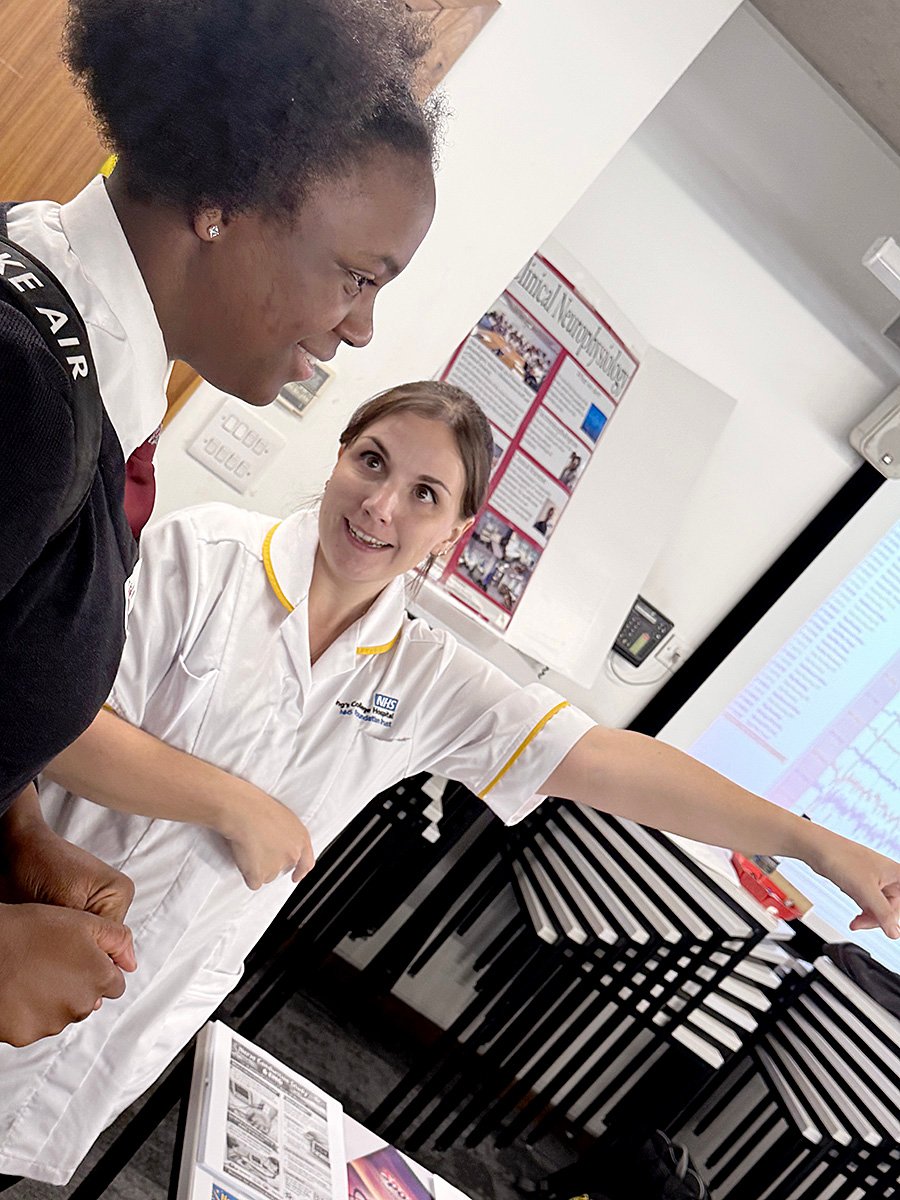
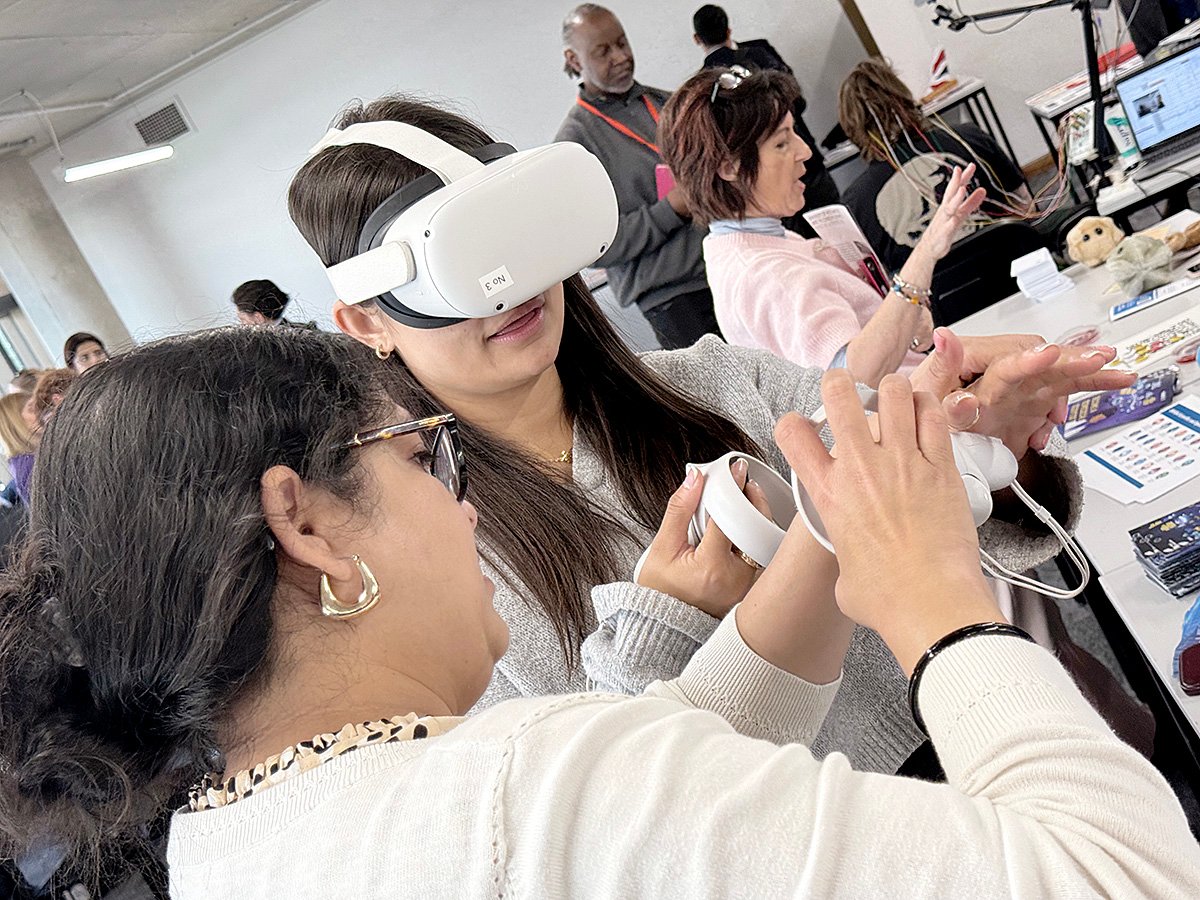
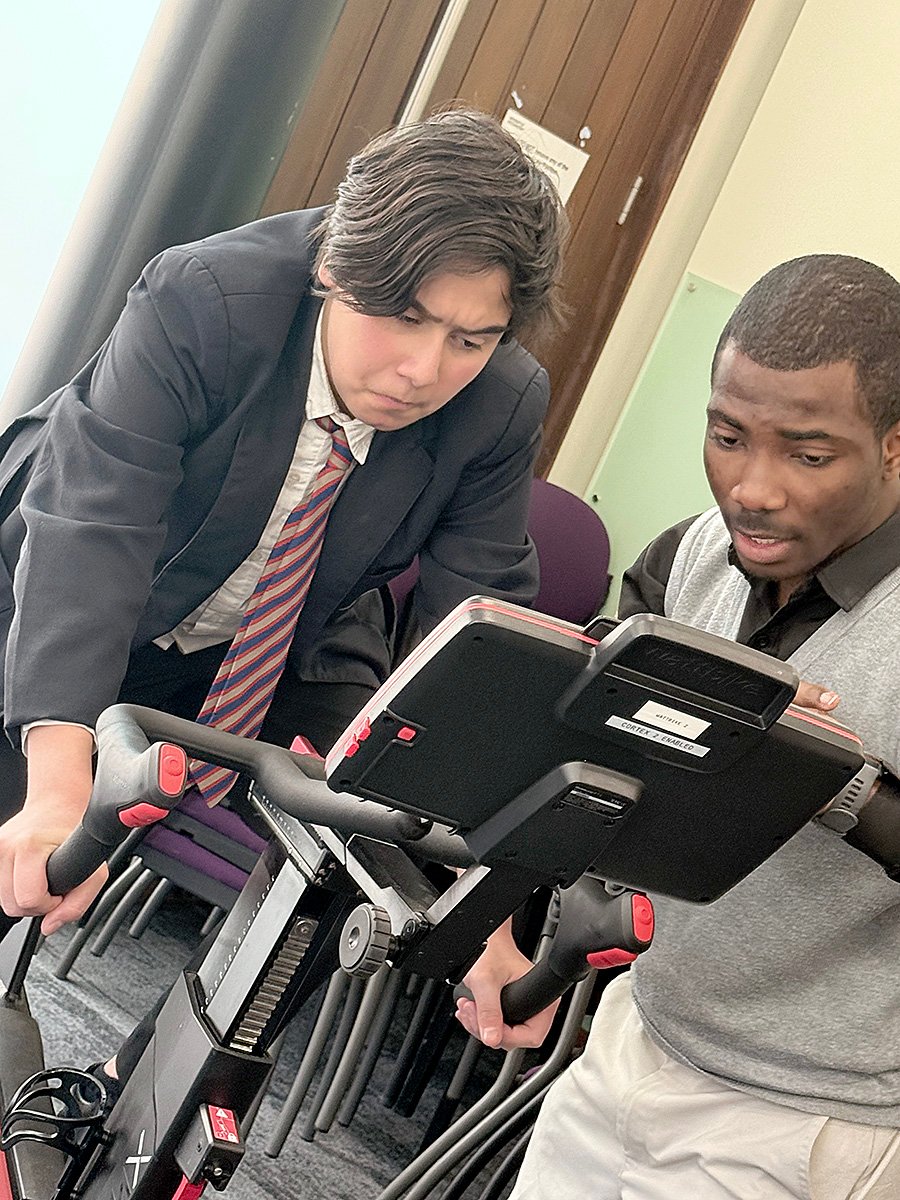
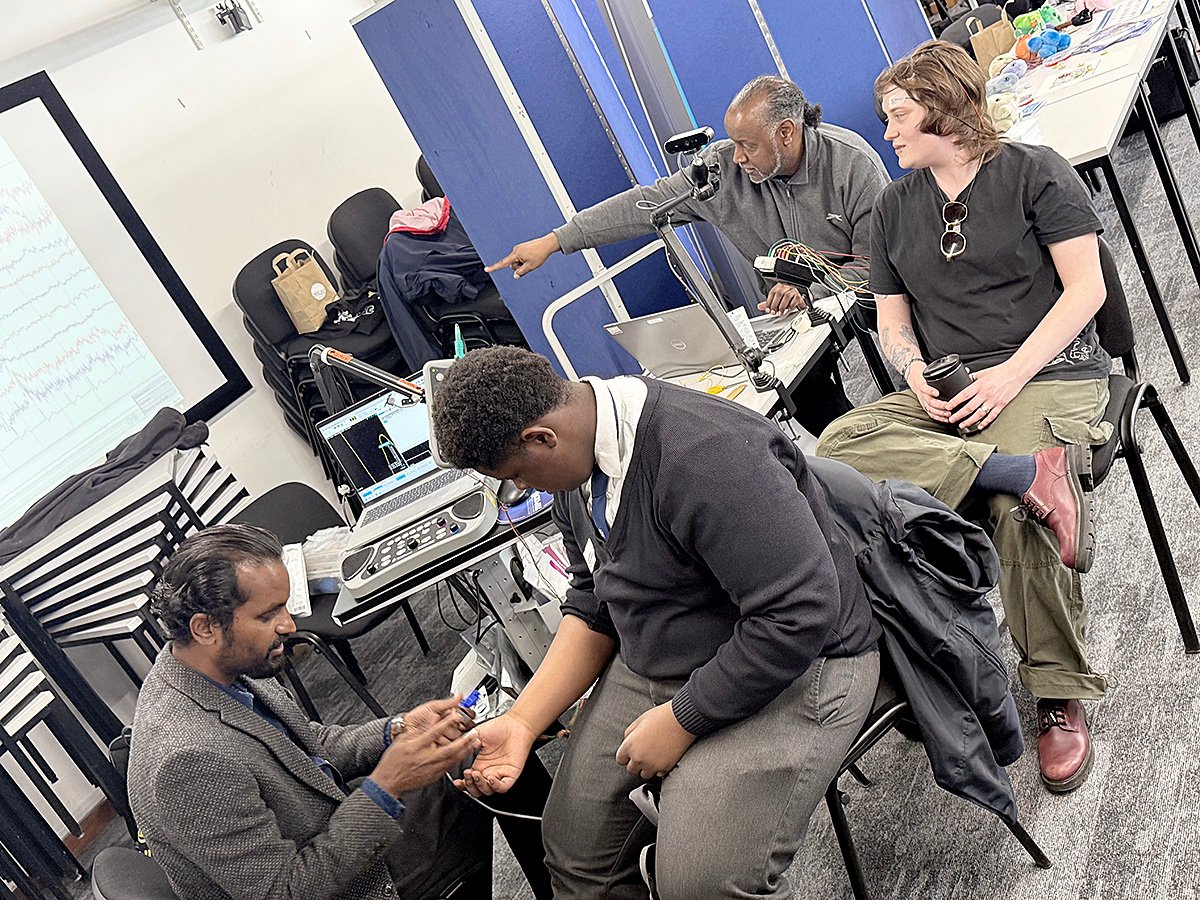
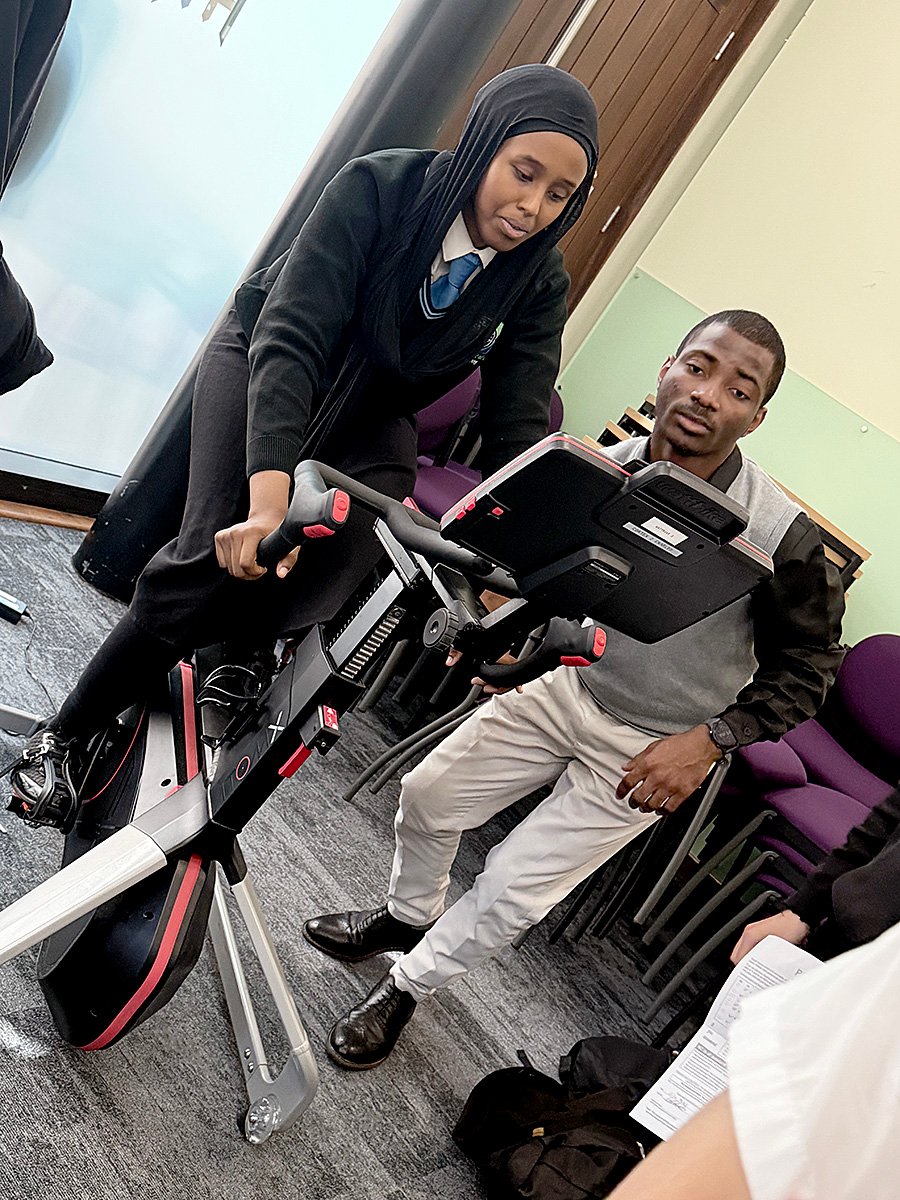
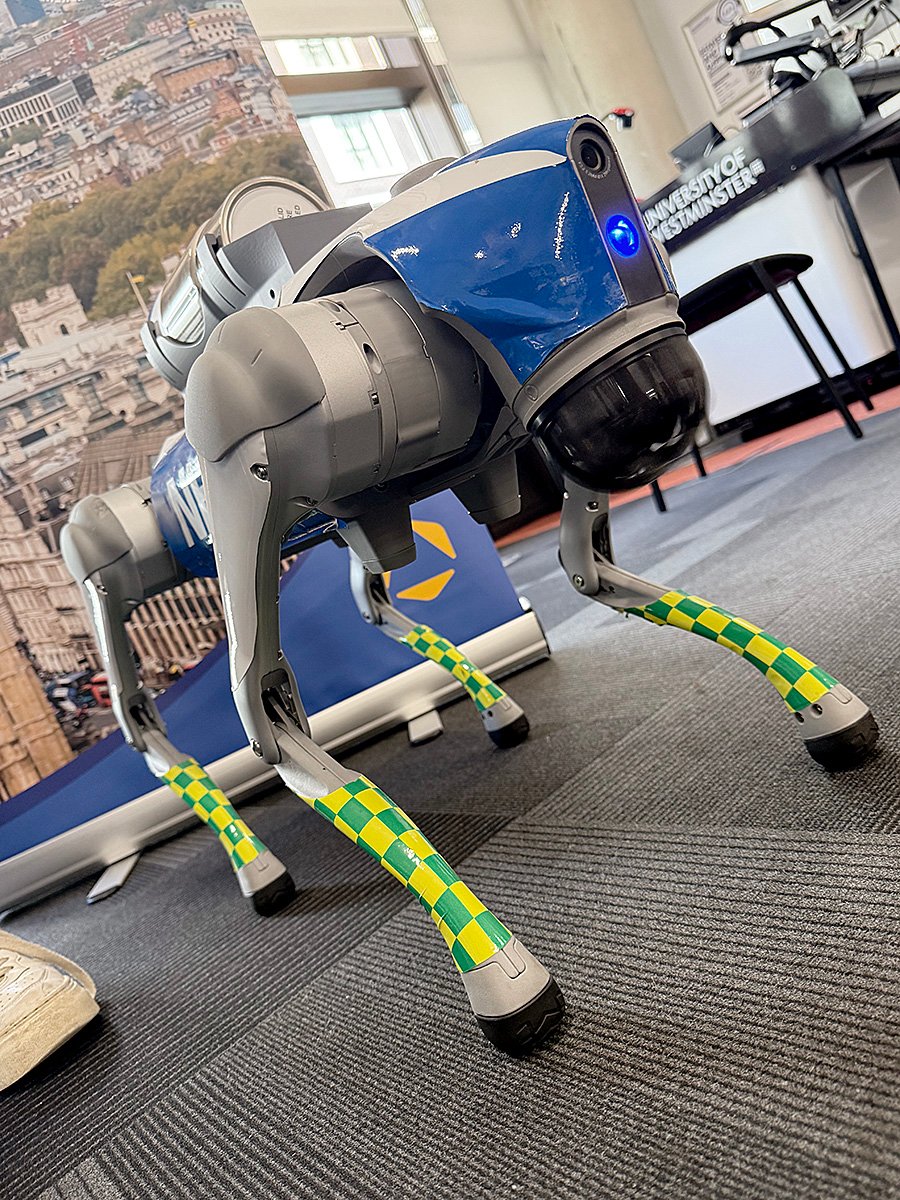
Overview in pictures
A glimpse of the fun, enjoyment and rich array of activities at Science for Sports